The Future of Leadership: Integrating AI with Human Skills
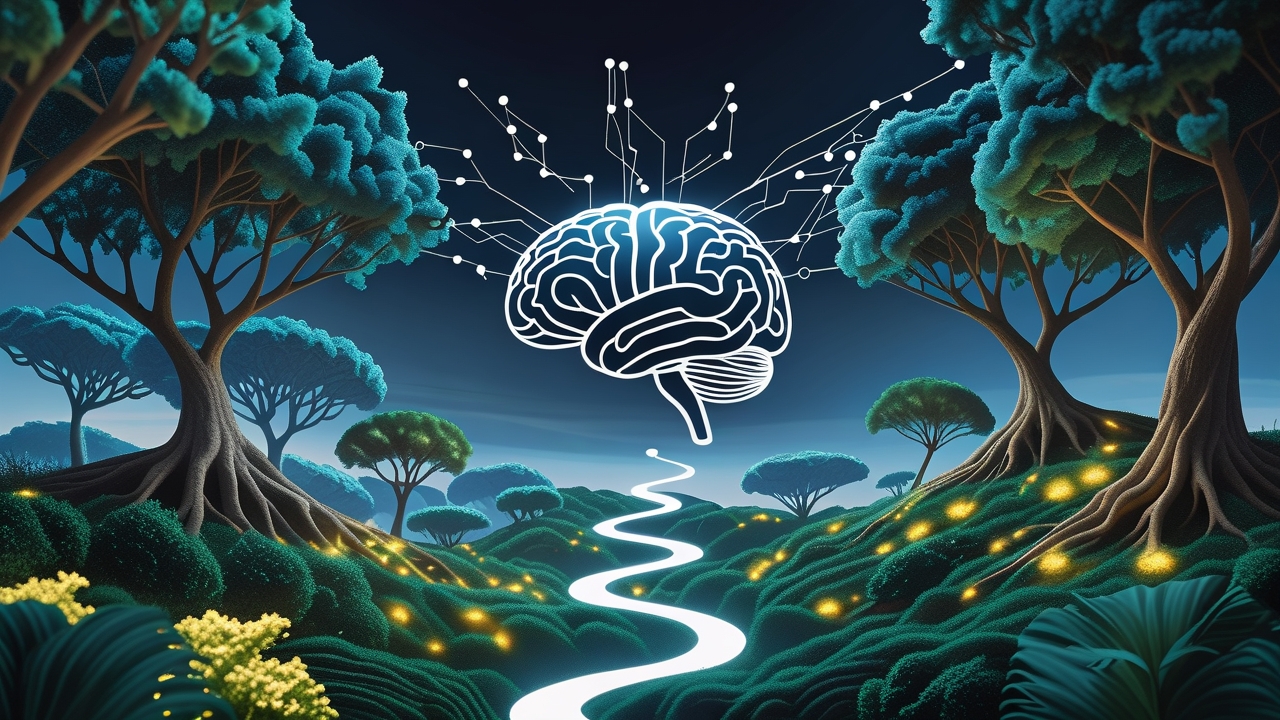
The Future of Leadership: Integrating AI with Human Skills
In the modern era, where artificial intelligence (AI) is transforming essential aspects of our daily lives, an intriguing question arises: can artificial intelligence ever truly replace our human skills? This question is not only relevant but serves as a starting point to reflect on the nature of leadership in an increasingly digitized world.
The combination of AI with our human capabilities presents an unprecedented opportunity for current leaders. In a work environment characterized by information saturation and the need for quick decisions, it is imperative that leaders not only adopt technological tools but also hone their interpersonal and creative skills. The phrase from the article that states: “the key to making the most of these tools lies in enhancing our human skills” resonates deeply in this context, illuminating the need for a balanced approach.
However, the true richness of this synergy lies in how we manage that combination. Today's leaders must create spaces where continuous learning is valued and intellectual curiosity is fostered among their teams. This culture not only reduces resistance to change but also drives creativity, a skill that AI still cannot replicate. Hugh McLeod, a well-known artist and illustrator, said: "Ideas are like rabbits. You get a couple, and then a couple more." A leader who inspires and motivates ideas within their team can tap into each individual's natural creativity, which is invaluable in times of transformation.
The importance of combining AI with human skills cannot be underestimated. AI can provide data and trends, but the interpretation of that data remains a human domain. That is where experience, wisdom, and instinct play a crucial role. And it is not just about making decisions; it is about effectively communicating those decisions to others, leading with empathy, and creating a positive impact on the organizational culture. It is at this intersection where leaders can shape the future of their organizations, fostering an environment where each person not only becomes a robust operator of technology but also a critical thinker.
In our immense daily information, it is easy to get lost in the noise and distractions that surround us. That is where leaders have the responsibility to develop a robust approach to learning and knowledge retention. Creating structures that favor critical thinking and collaborative learning is not an option but a necessity. Tools like mind maps, mentioned in the article, can be useful not only for organizing information but also for helping teams remember what they have learned and apply it to practical problems. Promoting this methodology can make teams feel more confident and prepared to face new challenges.
On the other hand, we cannot ignore the ethical responsibility that comes with the use of AI. Leaders must be proponents of transparency and fairness in the use of these technological tools. It is essential to establish human oversight in critical processes, especially those that affect people's lives. As Martin Luther King Jr. said, “The time is always right to do what is right”; this principle should guide leaders in integrating AI into their operations, ensuring that they align with ethical and human values.
The organizational structure must also evolve in response to these changes. The rigidity of traditional hierarchies can be an obstacle in the digital era. Adopting an agile approach that favors flexibility and adaptation will make leadership more effective. Teams that understand the importance of their unique skills and are capable of collaborating and sharing in an agile environment will be better positioned to leverage the capabilities that AI offers. Let us remember the words of Arie de Geus: “The ability to learn faster than your competitors may be the only sustainable competitive advantage”. A leader who fosters adaptability and continuous learning within their organization is reaping the rewards of a safe investment in the future.
At the end of the day, this delicate balance between AI and human skills defines the future of leadership. We find ourselves in a moment that demands transformation and evolution. The real challenge arises in wisely integrating these dimensions, allowing each of us to grow alongside technology. For today's leaders, transformation is not only inevitable; it is an exciting opportunity!
To be an effective leader in this new era, here are three practical steps you can implement immediately:
- Foster a culture of continuous learning: Organize workshops, training sessions, and open discussions where all team members can learn and share their experiences. A collaborative environment will help channel creativity and innovation.
- Utilize knowledge management tools: Implement technologies such as mind maps and collaborative platforms that facilitate the organization and retention of information, making knowledge accessible to everyone.
- Prioritize ethics in AI implementation: Be transparent in the use of AI applications, ensuring that every technological decision is made with the human context in mind. Establish committees to oversee the ethical use of AI in important decisions.
This article is based on this link: https://es.linkedin.com/pulse/el-equilibrio-entre-la-ia-y-las-habilidades-humanas-c%C3%B3mo-mirella-sala-ywzbe
Please visit for more articles: www.tuyoisaza.com
leadership


Comentarios