The Economy of Credit in Creative AI: How Gamified Access is Redefining Creativity
The Economy of Credit in Creative AI: How Gamified Access is Redefining Creativity
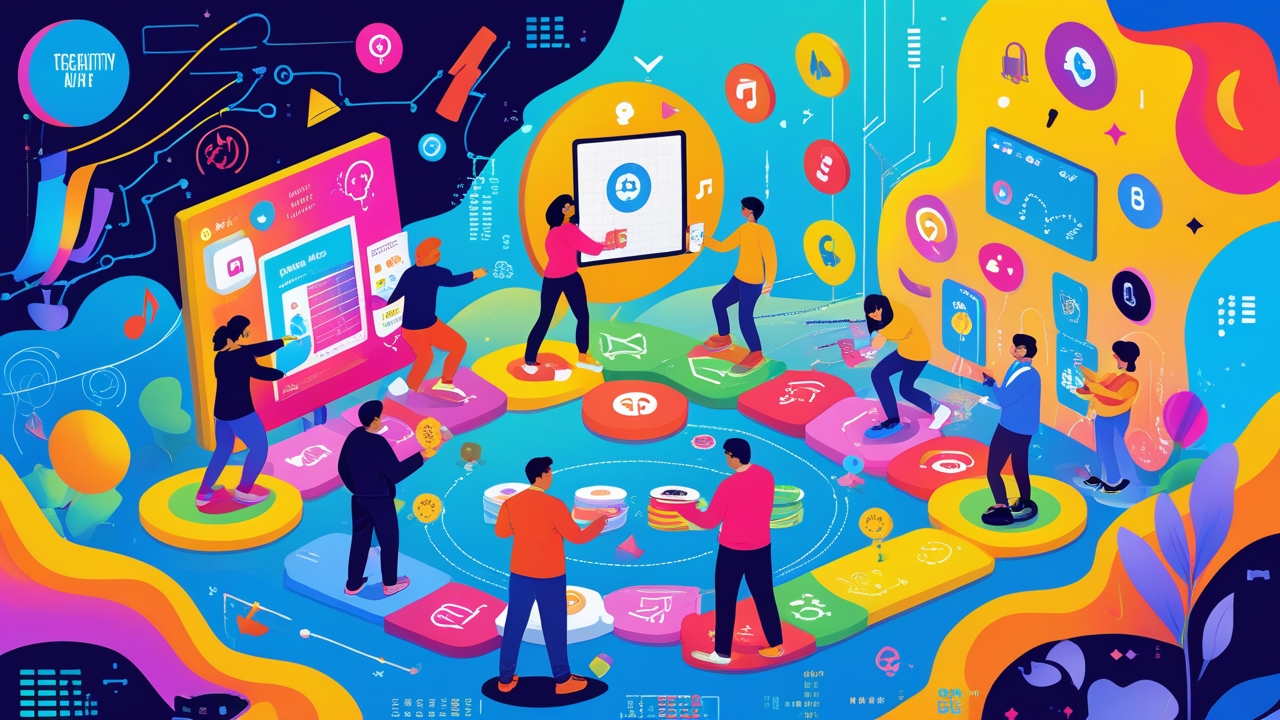
In a world where artificial intelligence transforms our way of creating, an intriguing model has been established: the economy of credit. Imagine for a moment a workshop filled with powerful tools, but with a caveat. These tools are not always within reach; they depend on a credit economy that creators earn and spend like in a game. Sounds strange? Maybe, but more and more creators are discovering that managing these credits can change their approach to creativity.
The concept is simple yet revealing. Instead of having unlimited access to tools, we have credit budgets that allow us to perform actions like rendering, scaling, or exporting. Each day, we receive a renewed amount of credits. Do you use all your credits at once, or do you save them for a more important project? The pace of this system resembles a strategy game. And the question is: how does this affect our creative decisions and the way we interact with the platforms that provide these resources?
The Fundamentals of the Credit Economy
First, we need to break down how these platforms function. Credits become our currency. Each action has a cost, and decisions must be made carefully. For example, if you decide to render in high quality, it will cost you more credits. But is it worth investing in every action, or is there a risk in depleting them too quickly? Choosing between immediacy or waiting for better-prepared results is, in essence, the new dilemma of the modern creator.
A New Way to Create: The Modern Farmer's Dilemma
Let’s think of this system like an online farming game. If you plant ideas and harvest creativity, you will need a waiting time to see the results. Are you willing to wait for the next harvest cycle, or will you rush to invest all your points before they run out? This analogy perfectly reflects how creators plan their work. The cadence of credits will impact what gets started, what gets finished, and what stays on hold.
Benefits and Limitations of the Credit Economy
On one hand, the credit model opens the doors to experiments never imagined before. It provides access to advanced tools thanks to fees that previously seemed prohibitive. But beware! This freedom can also produce a sense of anxiety. Knowing that every credit counts, the pressure to create can be overwhelming. Spending decisions can become impulsive or strategic, depending on how each creator interprets their access.
How to Balance the Credit Economy
The key lies in being aware of your own creative processes. Instead of letting the credit economy dictate the quality of your work, creators can benefit from establishing rituals and moments of reflection. This includes deciding when to save credits for future projects or when to risk using immediate resources. Creating space for pause can lead to better long-term results.
Conclusion: Empowerment or Obstacle
So, is this credit economy a way to empower creators or just a disguised trap? Like everything in art, there are no simple answers. Credit systems offer an opportunity for democratization and creativity, but they also challenge our relationship with production and available time. Together, as a community, we must find a balance that honors creativity and respects our autonomy.
Ultimately, the credit economy of creative AI can be a powerful catalyst for those willing to navigate its waters. At the end of the day, it’s a game, but a game in which we can make our voice heard. Are you ready to play?
Book some metoring time with Tuyo Isaza: Book your discovery session. IA creativa, economía del crédito, creatividad, plataformas de creación, estrategia de recursos, acceso democratizado, decisiones creativas
Please visit for more articles: www.tuyoisaza.com
creative AI


Comentarios