The Transformation of Leadership: Connecting Humanity and Technology in the Age of AI
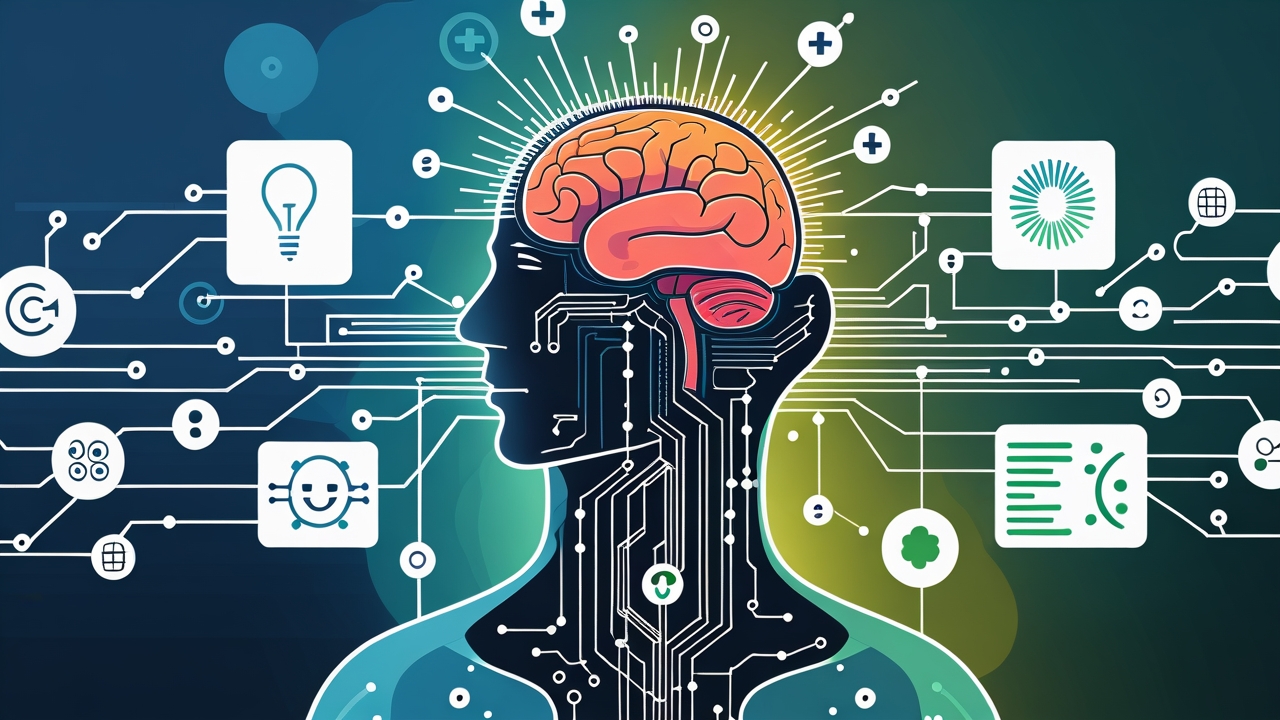
The Transformation of Leadership: Connecting Humanity and Technology in the Age of AI
Have you ever wondered how artificial intelligence is transforming leadership in our organizations? In a world where machines are becoming increasingly intelligent and capable, the role of a leader is no longer just to direct but also to adapt and evolve alongside their team. AI is changing not only how we work, but also how we relate and collaborate. Now more than ever, the leader of the future must be prepared for a new type of challenge, where creativity and empathy will be more crucial than ever.
In this dizzying context, where each team member may have technical skills that surpass those of their superiors, it is essential for leaders to understand the importance of a collaborative and diverse approach. This shift in mindset is not only necessary but also enriching. The diversity of ideas, perspectives, and skills promises to generate unprecedented innovations, and this is where leadership plays a crucial role.
As leaders face this new landscape, they must be concerned with creating an environment that values the contributions of every voice within the team. As mentioned in the original article, it is empathy, ethics, and human understanding that will continue to make a difference. In an environment where machines can provide quick solutions, it is the human essence, the ability to connect emotionally and understand the needs of others, that will truly drive organizations forward into the future.
The cultural impact of AI on organizations is profound. Fostering a collaborative and inclusive environment becomes a priority. Leaders must understand that collaboration is not just a trendy term, but an essential strategy for cultivating innovation. When teams feel safe and valued, they are more willing to share ideas and take risks, which can lead to creative and effective solutions.
However, this also poses a considerable challenge for current leaders. The need to adapt to new technologies is imminent, and this requires a change in the skills needed. It will no longer be sufficient to have extensive experience in traditional leadership; it is now imperative to be technologically competent. As Peter Drucker says, the greatest danger in times of turbulence is not the turbulence itself; it is to act with the logic of yesterday. To thrive, leaders must adopt a mindset of continuous learning, seeking to understand how they can effectively interact with emerging technologies and how these can enhance their leadership and that of their teams.
As new generations enter the workforce, a unique opportunity also arises to rethink traditional hierarchies. Younger individuals, generally more skilled with digital platforms, can challenge the status quo and offer new perspectives. Therefore, leaders should adopt more mentoring roles than directing ones. As John Maxwell mentions, leaders become great not because of their power, but because of their ability to empower others. Empowering team members instead of simply giving them orders not only improves morale but also stimulates creativity and innovation, essential elements in a modern work environment.
This cultural and generational shift is not simple and comes with significant ethical challenges. As AI becomes more deeply integrated into business processes, leaders will have to navigate ethical dilemmas affecting decision-making and the human component of work. As stated in the article, developing ethical frameworks is crucial. It is not only about using technology effectively but also ensuring that decisions made by machines complement and do not compromise humanity in the workplace.
But it is not only about the challenges; it is also about the opportunity this represents. The transformation towards a more collaborative organizational structure can result in greater agility and responsiveness to market changes. As Drucker rightly points out, the most effective way to manage change is to create it. This implies that leaders must be proactive in shaping the organizational structure in ways that promote collaboration and adaptation.
Ultimately, it is about cultivating a future where innovation and humanity coexist in perfect harmony. And for this to happen, here are three actionable steps that leaders can implement:
- Foster an inclusive environment: Create spaces where all team members feel valued and heard. Hold regular meetings where everyone can share their opinions and perspectives.
- Embrace technology as an ally: Seek additional training on digital tools and how to integrate them into your workflow. Encourage your team to develop technological skills and share what they learn.
- Prioritize ethics in decision-making: Define and clearly communicate an ethical framework for the use of AI in your organization. This framework should be based on human values and the long-term impact you wish to achieve.
The future of leadership is one of continuous transformation, where humanity and technology unite to create more effective and compassionate organizations. If we can adapt to this new landscape, we will not only drive our own growth as leaders but also uplift our organizations and the people within them.
Discover how artificial intelligence is redefining leadership and learn the keys to addressing the challenges of this new technological environment effectively.This article is based on this link: https://aldianews.com/es/leadership/ejecutivos/lideres-en-medio-de-la-ia
Please visit for more articles: www.tuyoisaza.com
leadership


Comentarios