The Dilemma of the Modern Leader: Would You Let AI Decide for You?
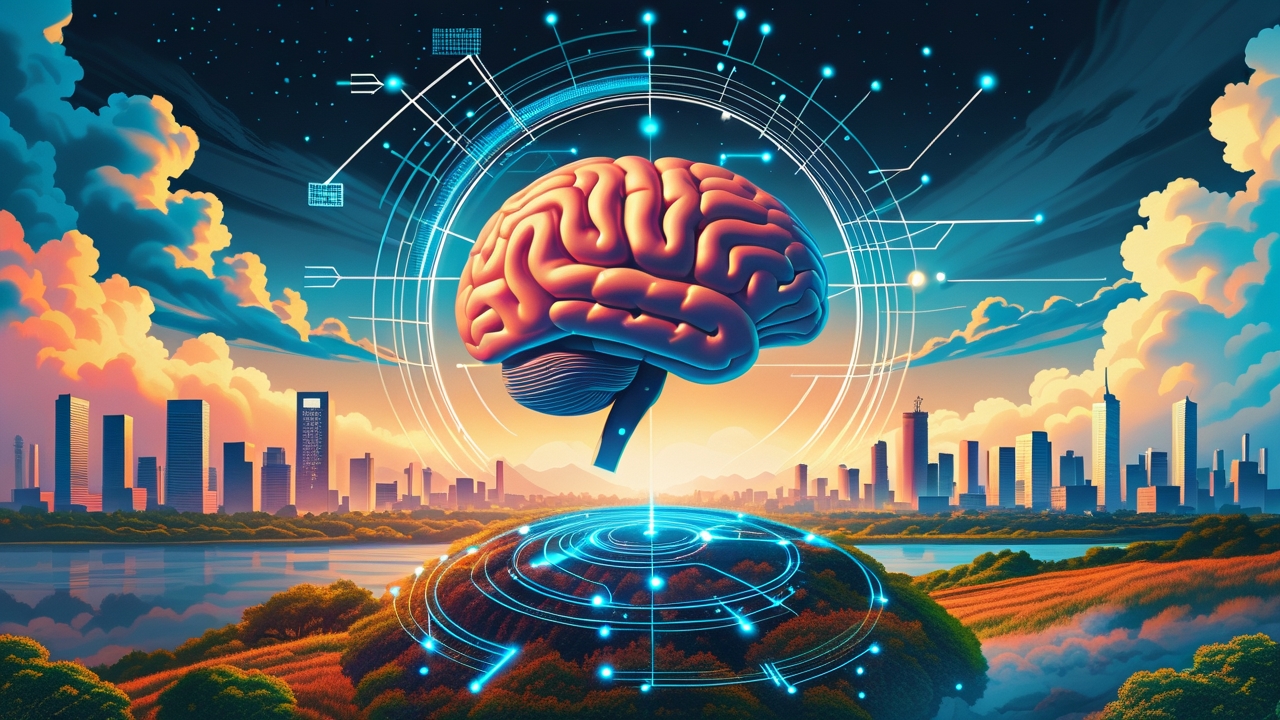
The Dilemma of the Modern Leader: Would You Let AI Decide for You?
In a world where artificial intelligence is becoming a key player in decision-making, a troubling question arises: are we really ready to let it dictate our path? This question not only challenges our skills as leaders but also revolutionizes our understanding of what it means to lead in the digital age. The intersection of human judgment and algorithmic logic thus becomes a moral and ethical battleground.
Today, leaders face the challenge of balancing the objectivity provided by AI and the human judgment that embodies experience and empathy. Reflexivity becomes essential, as every decision has the potential to impact not only immediate results but also the emotional well-being of our teams and the culture of our organization.
It is crucial to recognize that although AI manages data at an incredible speed, it lacks the subtleties of human morality. As pointed out in the article "Would You Make a Decision That AI Would Not Approve? The Dilemma of the Modern Leader", it is fundamental for leaders to apply emotional intelligence in their processes, a value that is increasingly relevant in a realm dominated by numbers and algorithms. Emotional intelligence enables a leader to understand not only what the data indicates but also how these affect the people involved.
In delving into this topic, our goal is not only to understand the dynamics between AI and human decisions but also to explore how this dilemma provides us the opportunity to reinvent leadership. Amidst growing technological dependence, the essence of leadership lies in cultivating relationships, fostering trust, and questioning the role we assign to technology in our daily lives.
Leaders are driven to make decisions that reflect their values and worldview. However, this audacity must be accompanied by critical reflection to ensure that decisions do not merely reflect algorithmic recommendations. I reiterate: true leadership is defined by the ability to integrate emotional intelligence with analytics, wanting the best for people beyond the cold data that may be presented.
The cultural impact of AI can be profound. A technology-centered approach could lead to prioritizing efficiency over human connections, creating an environment that privileges logic over empathy. As Peter Drucker said, "Culture eats strategy for breakfast"; it is vital for leaders to work towards ensuring that AI enriches rather than replaces interpersonal relationships within their teams.
Furthermore, there are technological aspects to consider. The prevailing technological mindset may lead to an overvaluation of data analysis, leaving little room for intuition. The ability to adapt and innovate will be essential, combining the insights provided by AI with genuine human wisdom that should not be underestimated.
An intergenerational question arises, then. Younger leaders, who have grown up in a world where technology is part of the everyday fabric, may see the integration of AI as a natural development. In contrast, more seasoned leaders might be more inclined to trust traditional methods. Through collaborative leadership, we can recognize and cultivate the unique skills that each generation brings, creating a hybrid environment that optimizes the best of both worlds.
Ethical considerations are also fundamental. The reliance on AI highlights questions related to bias, transparency, and accountability in decision-making. It is vital for leaders to address these complexities by ensuring that their choices reflect solid ethical values. In Gandhi's words, "In matters of conscience, the law of the majority has no place." Leaders must prioritize moral integrity over mere compliance with AI recommendations.
Finally, the interaction between human intuition and AI data will pose challenges in trust and collaboration within teams. Cultivating trust in AI systems while highlighting the value of human experience becomes essential. As Stephen Covey says, "Trust is the glue of life. It is the most essential ingredient in effective communication." It is the responsibility of leaders to create frameworks that strengthen trust in AI integration while keeping communication and interpersonal bonds as strong as possible.
The reality is that leadership in a world where AI is emerging compels us to be more reflective and at the same time more mindful regarding our decisions. So here are three practical steps we can implement as leaders:
- Foster dialogue on ethics and technology: Initiate conversations on how AI affects organizational culture and team well-being. This can help establish an ethical foundation that guides future decisions.
- Integrate emotional intelligence: Ensure that your decisions are not solely based on data but also reflect empathy and consideration for the emotional effects they may have on people.
- Build trust in technology: Educate your teams about AI and how it works, addressing myths and fears to create a culture that trusts and is open to collaboration between humans and machines.
Leaders who approach these challenges bravely and with a human-centered focus can find opportunities to innovate, adapt, and ultimately build stronger, more resilient organizations. It is, as always, a journey that requires honesty, humility, and a willingness to learn and grow.
Discover how artificial intelligence is transforming leadership and ethical dilemmas in decision-making. Should leaders blindly trust AI or maintain their human judgment? Read more.
This article is based on this link: https://www.researchgate.net/publication/376655379_Dilema_de_la_inteligencia_artificial_pensamiento_critico_y_generaciones_digitales
Please visit for more articles: www.tuyoisaza.com
leadership


Comentarios