The Perfect Synergy: Humanity and Technology in the Hands of Future Leaders
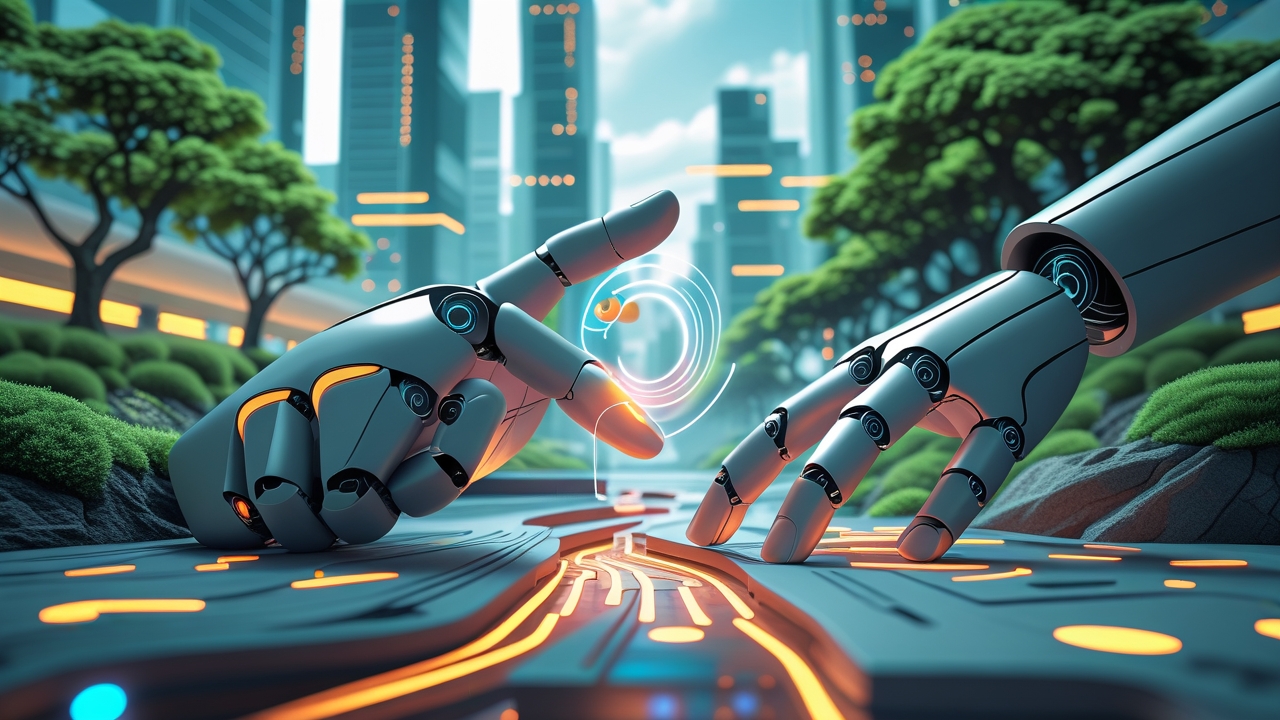
The Perfect Synergy: Humanity and Technology in the Hands of Future Leaders
In a world where artificial intelligence is advancing by leaps and bounds, there is a crucial question that leaders must consider: how can humans and machines collaborate effectively? In this digital age, where technology is redefining the way we do business, the real challenge lies not in the adoption of tools, but in the harmonious integration of artificial intelligence with human intelligence.
The importance of addressing this synergy becomes more evident each day. Artificial intelligence is set to play a fundamental role in business evolution, but the creativity and empathy that humans bring remain irreplaceable. This context presents a unique opportunity for leaders to explore new ways to combine these skills and thus propel their teams toward innovation and collaboration.
When thinking about how to achieve this synergy, one can consider the article's assertion that “the focus should not be confrontation, but collaboration.” This approach is crucial, as it promotes an environment where efficiency and inventiveness can coexist. Instead of seeing AI as a competitor, the most visionary leaders perceive it as a tactical ally that enables their teams to spend more time on strategy and creative decision-making.
The implications of effective collaboration are profound. Leaders who articulate this vision are on the path to improving productivity, not only at the organizational level but also at a personal level. Implementing a culture that values both analytics and creativity transforms team dynamics, fostering an environment where every member feels motivated to contribute their ideas and perspectives. This shift not only optimizes processes but also works at the very foundation of how knowledge is perceived and applied in everyday work.
A determining factor in this journey is the way leaders approach the adoption of new technologies. There is a quote from Peter Drucker that resonates deeply in this context: “The greatest danger in times of turbulence is not the turbulence; it is to act with the logic of yesterday.” This highlights the imperative need to evolve with the technological landscape. Leaders who not only adapt but also promote the innovative use of AI within their organizations ensure their relevance and competitiveness in the market.
As new generations enter the workforce, these young people's familiarity with technology becomes a catalyst for leaders to integrate AI in ways that resonate with their teams. The combination of human intuition and AI's processing capability can transform the way organizations operate, making adaptability an essential feature. As Eleanor Roosevelt wisely stated: “The future belongs to those who believe in the beauty of their dreams.” This statement inspires leaders to envision a future where technology and humanity work in perfect harmony.
But leaders must be cautious. As they move toward this future, the need to make ethical decisions becomes paramount. The integration of AI must align not only with efficiency but also with the organization's core values. When seeking this alignment, one can take as a foundation Martin Luther King Jr.'s phrase: “It is always the right time to do the right thing.” Ethical decisions must not be an option; they must be a priority. At the end of the day, organizations that refer to their fundamental principles in decision-making serve as models in their sector.
The collaboration between artificial intelligence and human intelligence invites leaders to rethink organizational structures. This approach requires a shift toward more agile and adaptable frameworks. Margaret J. Wheatley understands this well by stating that “organizations are not just machines; they are living entities.” Treating organizations as dynamic systems allows for continuous growth, driven by the interaction between both types of intelligence.
As leaders seek to implement this synergy in their organizations, here are three practical steps they can take:
- Foster an innovative environment: Promote spaces where workers can experiment with AI, from brainstorming sessions to implementing AI tools in everyday projects.
- Invest in training: Organize workshops and seminars that not only explain how to use AI but also address the importance of its integration with human judgment and ethics in decision-making.
- Establish clear ethical values: Define and communicate a set of values that guide interactions with AI, ensuring that every decision reflects the organization's mission and vision.
The synergy between artificial intelligence and human intelligence is the key to a new era of leadership. Leaders who understand this relationship and act accordingly not only optimize processes within their companies, but also create a legacy that transcends generations. By maintaining the balance between analytical logic and human empathy, they are building a future where both types of intelligence can thrive.
Discover how collaboration between artificial intelligence and human intelligence can revolutionize leadership in the current business context.This article is based on this link: https://andreaiorio.com/es/blog/inteligencia-artificial-y-la-inteligencia-humana/
Please visit for more articles: www.tuyoisaza.com
artificial intelligence


Comentarios