The Sower of Sustainability: Cultivating Abundance in Our Future
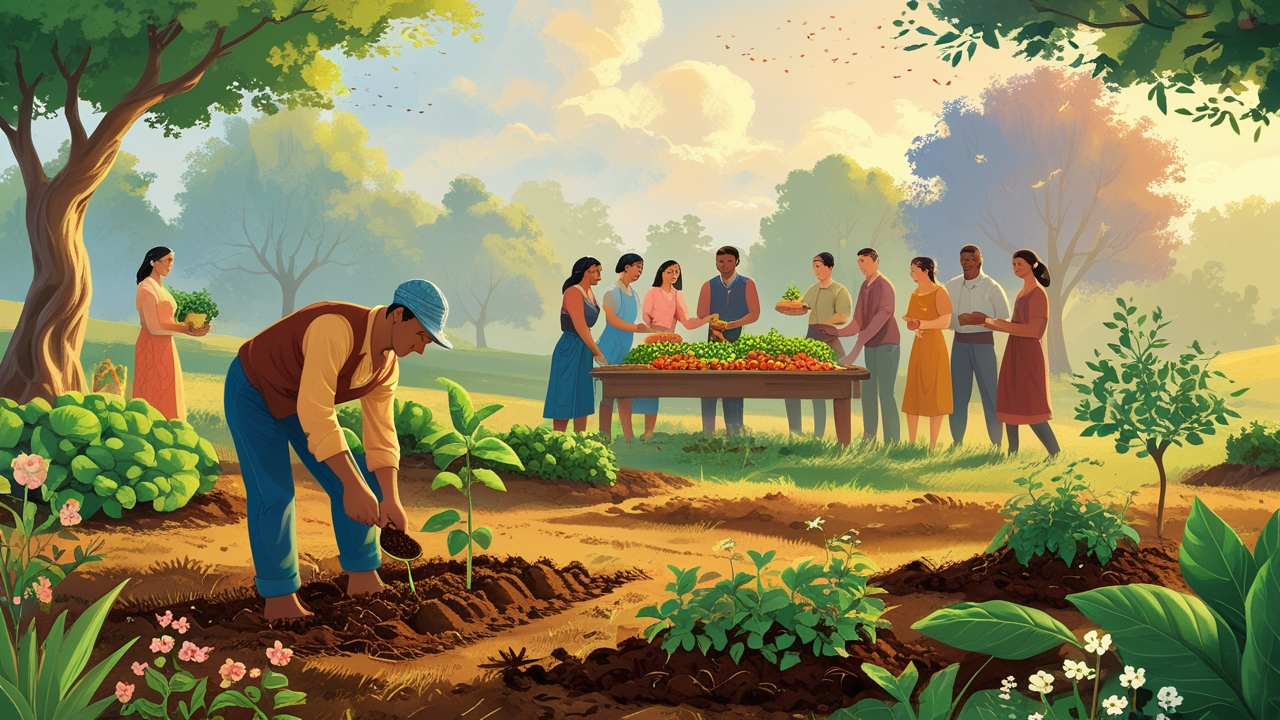
The Sower of Sustainability: Cultivating Abundance in Our Future
Imagine a world where, every time we make a decision, from choosing a gadget to picking a dish at the table, we stop and ask ourselves: "Can this be done without compromising the future of our children?" That reflection is at the heart of sustainability. It's not just about being "green" or "eco-friendly"; sustainability involves maintaining a balance in environmental, economic, and social systems so that our actions today do not become a burden tomorrow.
This idea, which has resonated throughout the decades, reminds us that we must live in the present, but not at the expense of the future. Now, imagine a paradigm shift. Instead of asking ourselves "how much harm can we avoid?" we start questioning "how much good can we create?" Abundance is that whisper: what if there is more than enough? More access, more opportunities, more possibilities of life for everyone, not just for a few. As a thinker once said: "abundant solutions create a self-reinforcing cycle, allowing us to achieve economic, social, and environmental improvements simultaneously."
A bold idea emerges: what if sustainability and abundance are not just distant ideals, but achievable goals? What if we don’t just avoid depleting our planet or society, but also build systems where resources, mobility, opportunities, and well-being are shared more equitably? Some leaders advocate for what they call "sustainable abundance" - meeting current needs without compromising the ability of future generations to meet their own, while increasing human value and access to these resources.
This approach redefines scarcity, not just as a lack of resources, but as a problem to solve. It challenges us to think about whether our innovations, our economies, and our communities can evolve so that abundance becomes the new norm, but achieved sustainably.
Two Paths to Sustainable Abundance
Next, let’s delve into two different routes that imagine what this idea of "sustainable abundance" really means and how it can impact our lives.
Path One: The Optimist's Way
If you choose to walk this path, you move with the certainty that yes, we have the right technological tools, the necessary social momentum, and the urgent moral responsibility. In this scenario, growth and sustainability are friends, not foes. If we get it right:
- You could live in a world where clean energy, mobility, and connectivity are more accessible for all.
- You would have more choices: less wasted time, fewer limitations; more of what enables you to thrive rather than just survive.
- Your well-being could increase as the systems around you support freedom, creativity, and reduce the fear of running out of resources.
In summary: adopting this perspective may encourage you to plan boldly, invest in future-focused technologies, embark on meaningful projects, and embrace that possibility as an integral part of your life.
Path Two: The Realist's Way
This path is steeper and more challenging. As you contemplate this vision, you realize that it is appealing, but that abundance, delivered sustainably, is filled with obstacles. If you lean toward this side:
- You may emphasize resilience over expansion: what if things don’t go as planned?
- Your focus could center on limiting harm, protecting your way of life, your community, and your mental well-being amid volatile changes.
This approach allows you to keep your feet on the ground; you prepare, think about how to protect yourself, and inquire about both risks and rewards.
The Influence of These Perspectives on Your Life
The direction you lean has a huge impact on how you live, where you direct your energy, and what you expect from tomorrow.
If you lean toward the optimistic path, you may: embrace change, engage with innovation, invest in possibilities, feel hopeful, and perhaps take more personal or professional risks.
If you choose to follow the cautious path, you might: build safety nets, value stability, ask difficult questions, devote time to learning and cultivate resilience while protecting your well-being amid uncertain transformations.
Either way: your mindset affects what matters to you, what you commit to, and how you interpret the impending transformations.
I Invite You to Reflect
Now I invite you to choose one of these paths: "yes, we can build sustainable abundance" or "maybe, but we must proceed with caution" and reflect on it for a moment.
Which of the two feels more realistic to you?
What would you need to see for the optimistic path to feel credible?
What risks would you need to manage if you decide to follow the cautious path?
How could you align your daily decisions—work, study, relationships, habits—with the path you lean toward?
In choosing, you don’t have to commit for life. You can say: "For now, I lean in this direction, unless I see X or Y happen." This stance provides you clarity, enhances your well-being, and prepares you for whichever future arises.
Explore how sustainability and abundance can intertwine in our daily choices and how our paths can impact both our future and our well-being.
Book some metoring time with Tuyo Isaza: Book your discovery session. sostenibilidad, abundancia, futuro, bienestar, cambio, decisiones, optimismo, realismo
Please visit for more articles: www.tuyoisaza.com
sustainability


Comentarios