The Great Reconfiguration: Navigating the Work Revolution in the Age of AI
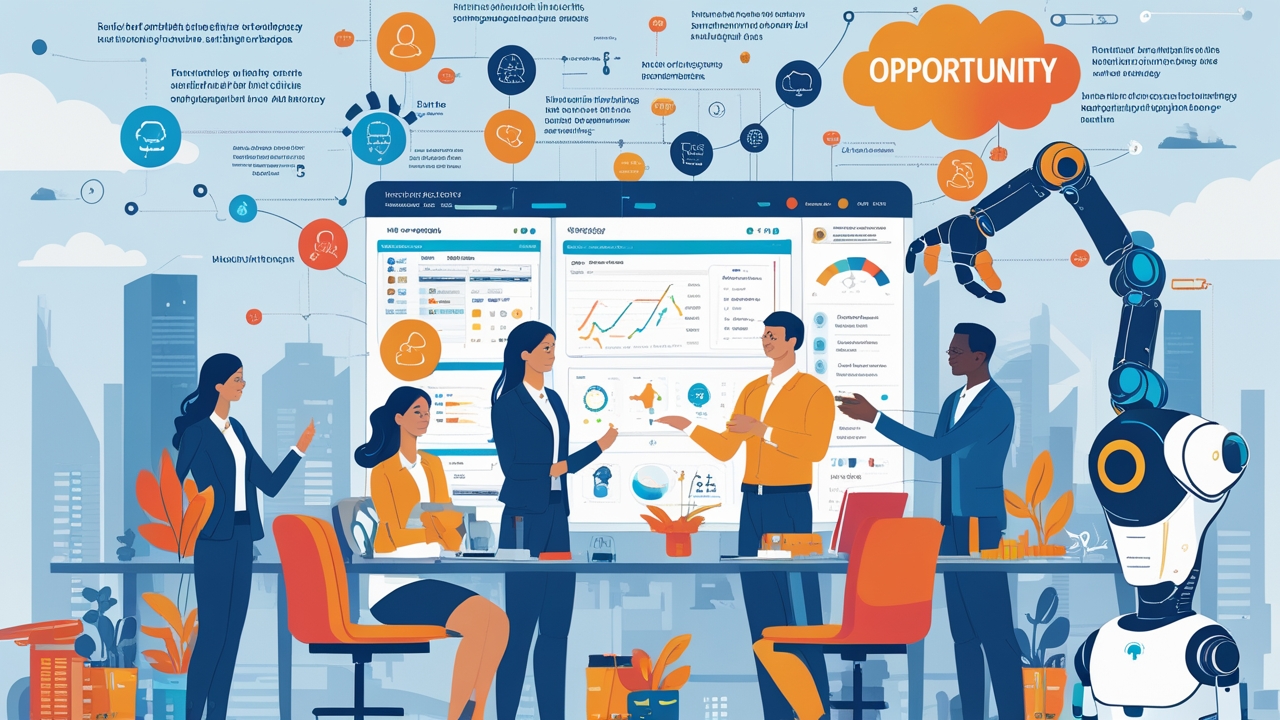
The Great Reconfiguration: Navigating the Work Revolution in the Age of AI
A Crucial Moment in Our History
We are in the midst of a monumental change. The labor world is at a turning point, a transformation that is advancing at an extraordinary speed and that, at times, can be overwhelming. Artificial intelligence (AI) is not only altering the way we work; it is also redefining the very meaning of being competent in the workplace.
I invite you to join me in this reflection, as the paths we choose today will influence our future as individuals and as a society.
"The only way to do great work is to love what you do." - Steve Jobs
This quote resonates deeply in the current context, as facing the reality of AI and its impact on employment requires each of us to know not only what we do but why we do it.
A Common Journey: The Story of Camila
Imagine Camila, a young recent graduate who dreams of a bright future in digital marketing. With her degree in hand, she feels ready to take on the world. However, as she enters the job market, she realizes that agencies are filled with new automated tools that do everything extremely efficiently. Entry-level positions, which once served as her gateway to success, are increasingly scarce.
Camila feels lost; she has dedicated years of study and effort, but she faces a maze of uncertainty. She has been taught to think critically, to be creative, but she finds herself in an environment that seems to value algorithms more than people. How can she excel in a landscape where traditionally, learning was through experience?
The truth is, she is not alone. Many of her peers are experiencing the same reality. Meanwhile, the world continues to turn, and AI seems to advance relentlessly. This is the critical moment we must address together.
The Speed and Erosion of Traditional Pathways
The phenomenon we are experiencing goes beyond a simple technological change; it is a global reconfiguration. Unlike previous industrial revolutions that took decades, AI is reformulating the way we work in a matter of years. With each advancement, traditional career trajectories fade, and the need for human skills becomes increasingly critical. Meanwhile, entry-level jobs—fundamental for the learning and growth of new talents—are at risk.
The paradox of Generation Z is palpable. How can young people build experience if opportunities are being destroyed by automation? But not all is lost; there is also a brilliant opportunity. If instead of lamenting, we drive a change toward new forms of learning and training, we could create a more enriching and resilient environment.
Two Visions on the Horizon
We find ourselves at a crossroads with two prevailing visions on how to respond to this transformation:
1. "Watch Out! We Need Training Now"
The first approach centers on the urgency of massive and continuous training. The idea here is to be proactive. Beyond reacting to the crisis, it is time to equip the existing workforce with skills that cannot be automated. This involves:
- Prioritizing non-automatable skills: It is key to focus on human competencies such as emotional intelligence and critical thinking.
- Mandatory knowledge transfer: Mentoring processes that capture the tacit knowledge of older generations.
- Cognitive resilience assessments: To ensure that critical skills remain independent of algorithmic solutions.
2. "We Know What We Need; It's Time to Reassess"
The second approach suggests that it's not enough to have more training within a system that is already obsolete. Instead of simply adding more training, we need a complete restructuring of talent development. This includes:
- Redesign of the career ladder: Transforming entry-level jobs into learning platforms.
- Practice-based learning models: Implementing learnings that link study with real job requirements.
- Competency-based hiring: Focusing on verifiable skills instead of academic degrees.
Final Reflections
What awaits us is not a destination but a series of choices presented to us. The Great Reconfiguration is not just a threat; it can also be an opportunity to create a more inclusive work environment tailored to future needs. Will we remain stuck in fear and lack of direction, or will we seek new avenues for learning and development?
I ask you, what is your stance on this revolution? Are you going to commit to the continuous improvement of your skills, or do you prefer to advocate for a deeper, structural change? The answer is not simple, but together we can challenge the limits and find a path forward that not only keeps us relevant but also helps us thrive in this new era.
Remember: every small step you take today can influence the future we want to build together. So, are you ready to take that step?
Book some metoring time with Tuyo Isaza: Book your discovery session. inteligencia artificial, revolución del trabajo, capacitación, talento, desarrollo profesional, habilidades no automatizables, oportunidades laborales
Please visit for more articles: www.tuyoisaza.com
artificial intelligence


Comentarios