Transforming Education: A New Era for 21st Century Leaders
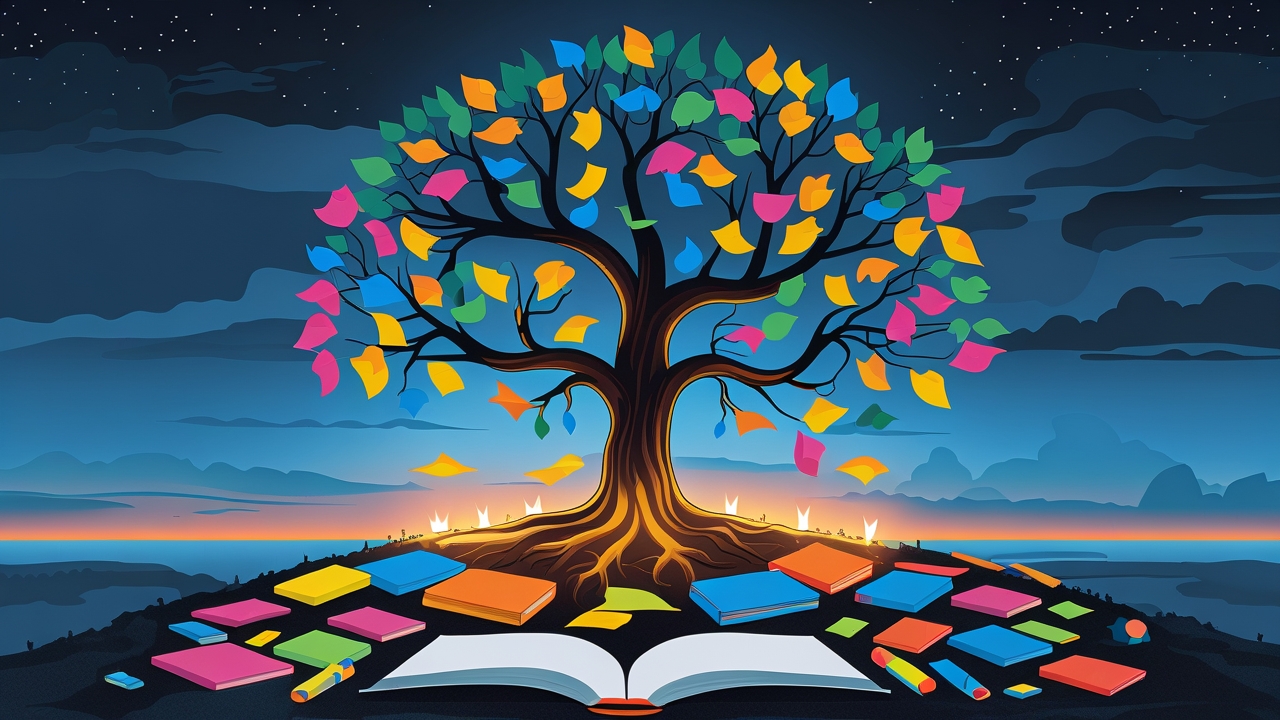
Transforming Education: A New Era for 21st Century Leaders
We live in times where change is the only constant. Education, one of the most critical areas for human development, is no exception. Are we truly prepared to transform education according to the demands of our time? The work "Pedagogies of the 21st Century" by Jaume Carbonell Sebarroja provides a refreshing perspective on how we can be reborn as leaders in the educational field and courageously face current challenges.
For leaders, whether educators, administrators, or parents, understanding and applying new pedagogical methods is crucial. The human capital of any organization is nourished by its ability to adapt, innovate, and grow, and that starts in the classroom. In this context, leaders must become agents of change, capable of inspiring others and fostering an environment where active learning is the norm.
Carbonell invites us to reflect on the value of transcending traditional thinking in education. He reminds us that "learning should not be a solitary act, but a collaborative process where each individual contributes their perspective and experience." This approach is not just theoretical; it is a tangible necessity in a labor world where creativity, critical thinking, and adaptability take precedence over the mechanical memorization of data.
Talking about 21st-century pedagogies is about discussing a paradigm shift, a move towards learning that does not just stop at the desks of classrooms but extends throughout life. We are confronted with resistance to change, as often we find ourselves clinging to educational structures that have worked but are no longer sufficient to meet the real needs of our future students and employees. This is a challenge for all of us as leaders.
The work resonates with a powerful message: change is possible and necessary. When it comes to education, it is about preparing not only students but future citizens, thinkers, and leaders. How can we leaders be part of this transformation? First, by recognizing that diversity and innovation are fundamental driving forces. Critical and alternative pedagogies offer a path towards inclusion, fostering an environment where diverse learning is celebrated and where every voice counts.
21st-century education must be an open conversation, a dialogue between generations and between disciplines. It is increasingly clear that teamwork and collaboration will be key to facing the great challenges of our time. This approach not only enhances the educational experience but also prepares students for a world where collaboration is essential.
In the realm of leadership, this implies building an environment where mistakes are not taboos, but opportunities to learn. We must provide support and resources so everyone feels comfortable sharing ideas and proposals. As leaders, we must promote a culture of experimentation and learning. This means being willing to step out of our comfort zone and allow others to do the same.
The ability to innovate and adapt is a true differentiator in any field. By introducing more inclusive and collaborative approaches, we expand the possibilities for learning and growth. This type of environment not only nurtures students but also creates an educational ecosystem that is more suited to the requirements of the 21st century.
Education is not a task that falls solely on one person. It is a collective effort that requires the involvement of all: leaders, teachers, parents, and students. As we move forward, we must be willing to embrace new technologies and educational methodologies. This will not only enrich our experience but will also ensure that we are creating the right conditions for every individual to reach their maximum potential.
For those looking to lead in this new context, here are three practical steps they can implement to contribute to educational transformation:
- Foster Collaboration: Create opportunities for teamwork among students and educators. Organize collaborative projects and activities that invite conversation and co-creation.
- Promote an Inclusive Environment: Ensure that all voices are heard. Encourage the active participation of all individuals, regardless of their background or skills, creating a space where everyone feels valued.
- Be Open to Change: Stay informed about new educational trends and be willing to adapt teaching methods as new ideas and innovations arise. Continuous training should be a pillar in the professional development of leaders.
As we approach the future of education, nothing should be viewed as immutable. "Pedagogies of the 21st Century" reminds us that we have the power to influence the educational process and that we must use that power responsibly. Educational transformation is not just an imperative; it is an opportunity to redefine what it means to learn and teach in a changing world.
21st-century education requires leaders willing to adapt and foster collaborative and inclusive environments. Discover how to transform teaching and learn from "Pedagogies of the 21st Century" by Jaume Carbonell.
This article is based on this link: https://dokumen.pub/pedagogias-del-siglo-xxi.html
Please visit for more articles: www.tuyoisaza.com
EducationalLeadership


Comentarios