Can artificial intelligence understand human consciousness?
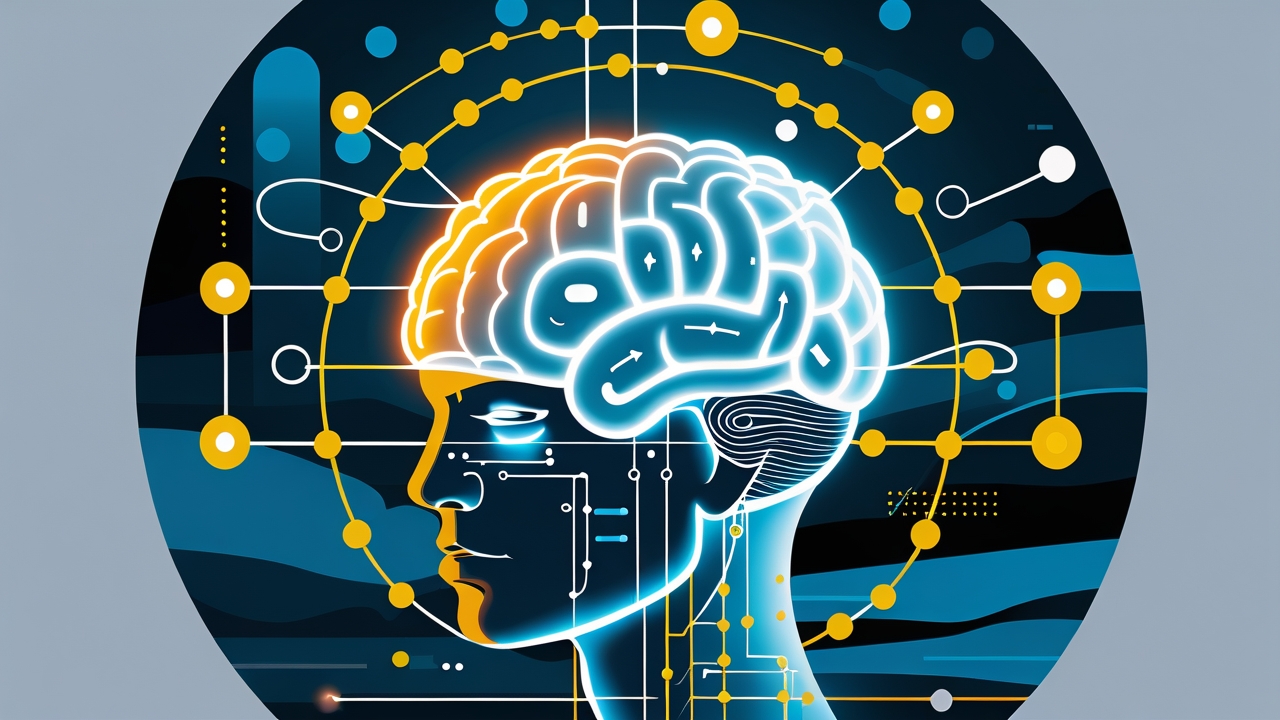
Can artificial intelligence understand human consciousness?
The quest to understand consciousness is one of humanity's deepest and most challenging mysteries. As we advance in the field of artificial intelligence, unsettling questions arise: can we really grasp the essence of what it means to be conscious? Or is consciousness an enigma that accompanies us, reminding us of our uniqueness in the face of the machines we create?
For today’s leaders, this issue is not simply an academic debate; it is a challenge that impacts how we manage our organizations. In a world where AI is increasingly integrated into our lives, how can we address the nature of consciousness and its relevance in the business realm? Reflecting on these questions forces us to reconsider not only our business practices but also the organizational culture we nurture.
Ramón López de Mántaras’ article on the subject offers profound insights into the connection between the human brain and the subjective experience of consciousness. This approach not only reveals the enigma that consciousness represents, but also highlights the importance of understanding how our perceptions are constructions of our minds. This idea, in the context of leadership, suggests that we have the power to shape culture, creativity, and innovation within our organizations simply by recognizing that each individual interprets reality from their unique experience.
As leaders, we still face the need to create environments that value diversity and inclusion. In the words of Sundar Pichai, Diversity and inclusion are essential for creativity and innovation that drive success. By fostering an environment where everyone feels valued and heard, we not only stimulate creativity but also ensure that each team member contributes from their lived experiences, which in turn enriches the creative process. If we understand that perception is personal and subjective, we can guide ourselves toward creating a space where plurality and empathy are valued.
However, as artificial intelligence continues to evolve, an ethical responsibility also arises. Leaders must be aware of the implications of creating machines that can simulate consciousness. Technology, as Satya Nadella pointed out, is a tool that can be used for good or evil, and it is our responsibility as leaders to ensure it serves humanity. Ethics in AI development must be a priority, as we are not only shaping the technological future but also the future of our society.
The new generation, more tech-savvy and open to the integration of artificial intelligence, increasingly demands transparency regarding the role of these technologies in decision-making processes. This indicates that leaders who embrace this reality not only increase team engagement but also build a culture of trust. Howard Schultz reminds us that to inspire people, one must be genuine and base it on truth. As leaders, we must be sincere about the use of AI in our organizations and how these technologies affect everyone, from corporate strategy to everyday work life.
As we explore more about consciousness and its connection to artificial intelligence, ethical questions about the autonomy of machines and their possible rights become increasingly relevant. Sherry Turkle raises the question of whether we can make machines think, but asks if we should. This ethical dilemma must be an integral part of our reflection as leaders; by confronting these questions, we can build frameworks of governance and responsibility within our organizations that guide the development and implementation of technology in a way that respects human dignity.
The impact of these concepts on our organizations can also be reflected in how we prioritize the mental and emotional well-being of our team. By considering the vast impact of consciousness on our daily lives, we can inspire ourselves to create work environments where not only productivity is valued, but also the subjective experience of each employee. Peter Drucker posits that the best way to predict the future is to create it. As leaders, it is vital that we take a proactive approach to creating an organizational culture that supports employees' mental health and fosters a psychologically safe environment.
To implement these valuable learnings, here are three steps that leaders can consider:
- Foster diversity of thought: Develop initiatives that promote inclusion and value each team member's unique perspectives.
- Integrate ethics into technology: Establish an ethical framework for the use and development of artificial intelligence within the organization, ensuring a commitment to the well-being of employees and the community.
- Prioritize mental and emotional health: Create policies that promote a safe and healthy work environment, where employee well-being is valued as key to organizational success.
Embarking on this reflection on consciousness and how it intertwines with our leadership is not just a burden, but an opportunity for growth and transformation. By adopting these ideas and principles, we can not only define the future of our organizations but also contribute to a world where consciousness and ethics coexist harmoniously.
This article is based on this link: https://theconversation.com/la-inteligencia-artificial-y-el-problema-dificil-de-la-conciencia-253488
Please visit for more articles: www.tuyoisaza.com
artificial intelligence


Comentarios