The Power of Multilingualism: Transforming Leadership in a Connected World
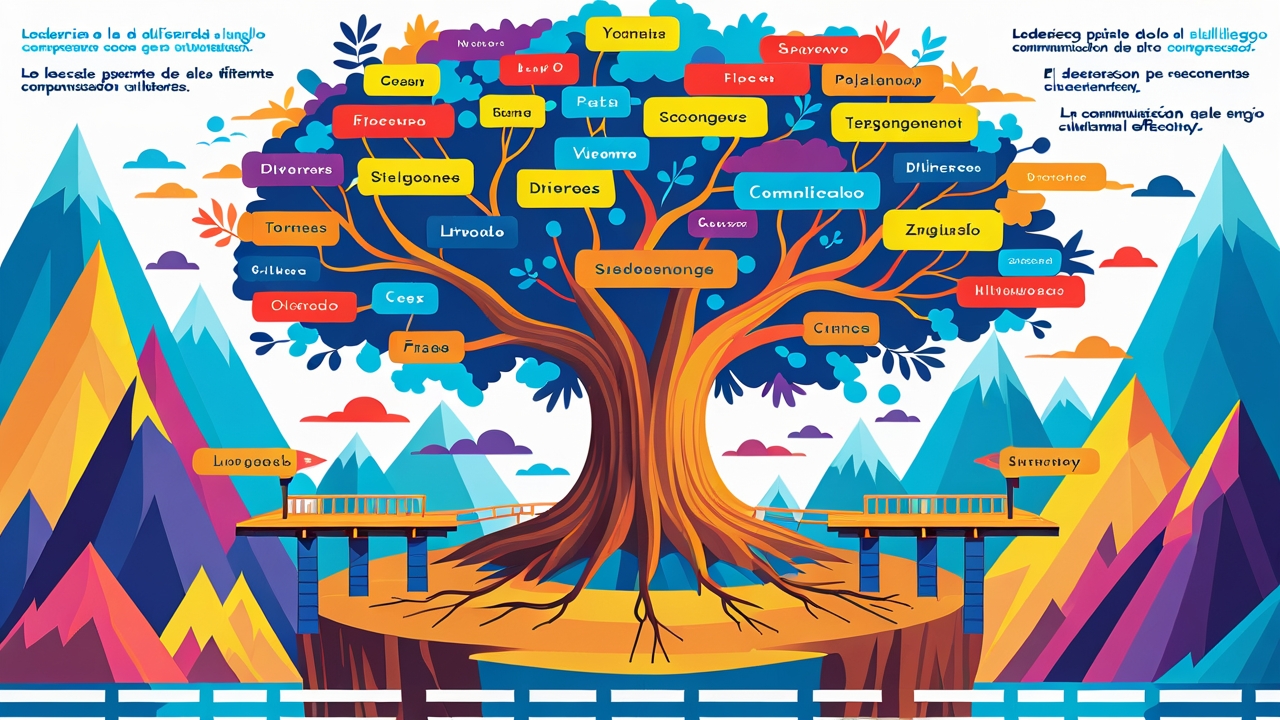
The Power of Multilingualism: Transforming Leadership in a Connected World
Imagine a world where every conversation opens a new door, where every word in a different language becomes a bridge to new cultures and opportunities. Wouldn't it be fascinating to connect with diverse perspectives and forge meaningful relationships regardless of language barriers? In our globalized era, mastering multiple languages not only enriches our personal lives; it has also become an essential tool for effective leadership.
Learning a second language, especially English, is no longer just a communication skill but a strategic advantage in the workplace and social environments. Leaders who understand and leverage multilingualism can inspire and motivate their teams in ways that transcend cultural differences. By recognizing the importance of effective communication in different cultural contexts, leaders can cultivate an inclusive environment that fosters collaboration and innovation.
The phrase from the Salazar and Herrera University Institution resonates: "mastery of English presents itself as a vital competitive advantage in the 21st century". This statement underscores the reality that in a world where effective communication is key, leaders must be more than experts in their fields. They need to be skilled communicators who understand the nuances of intercultural interactions.
Moreover, the ability to speak different languages not only allows leaders to engage with a broader audience but also provides them with a deeper understanding of their teams and clients' contexts. As we move into an increasingly interconnected future, a leader's ability to manage relationships competently becomes crucial for productivity and organizational success.
Considering this, it is clear that effective leadership goes beyond managing people or projects; it is about building bridges between diverse cultures, and language is one of the most powerful of those bridges. Adapting to and understanding different cultural contexts creates a sense of belonging and respect, fundamental elements for any successful team.
For today's leaders, this means making a conscious effort to integrate language learning into their development strategies. The benefits are manifold: from improving external and internal communication to significantly increasing employee satisfaction and engagement. In a world where expectations are high and competition is intensifying, leaders must be willing to break outdated paradigms and adopt an innovative and diverse approach to how they communicate.
“Diversity is the one true thing we all have in common. Celebrate it every day.” This quote from William Dickson reflects the essence of contemporary leadership. Celebrating diversity includes recognizing the variety of languages and dialects as a shared cultural heritage. Leaders must understand that each language brings a unique perspective that can enrich decision-making and foster creativity within their organizations.
From an organizational standpoint, leaders who break down the language barrier not only benefit from more effective communication but can also capitalize on diverse ideas and approaches that enrich the corporate culture. This not only creates a more dynamic work environment but ultimately translates to better business outcomes.
Of course, it is not enough to speak several languages. Leaders must also be committed to creating an environment where multilingualism is valued and encouraged. This involves promoting policies that support ongoing language training and offering cultural exchange opportunities, such as internships abroad or international collaboration programs. These experiences not only help employees develop language skills but also embrace them on a personal journey of growth and understanding.
For leaders who wish to harness the power of multilingualism in their leadership, here are three practical steps they can implement:
- Foster an inclusive environment: Establish a space where cultural and linguistic differences are celebrated. Promote activities that allow team members to share their languages and traditions.
- Offer learning resources: Provide access to language classes and online resources that facilitate ongoing learning for all team members. Consider using technologies and apps that make language learning a fun and accessible activity.
- Incorporate linguistic diversity into business strategy: Ensure that the organization's goals and objectives reflect a commitment to recognizing and valuing multilingualism as part of its culture and vision.
In conclusion, adopting a multilingual approach to leadership not only expands a leader's capacity for connection but also transforms team dynamics and promotes a healthier and more productive climate within the organization. When leaders strive to break down language barriers and celebrate cultural diversity, they not only enrich their own development but also shape a more inclusive and successful future for all.
Discover how mastering multiple languages can transform your leadership and open new opportunities in an interconnected world.This article is based on this link: https://www.iush.edu.co/es/Universidad/hablar-mas-de-un-idioma-ventaja-para-la-vida--20210211/noticias
Please visit for more articles: www.tuyoisaza.com
leadership


Comentarios