Can Memory Be Manipulated? Discover What Leaders Need to Know
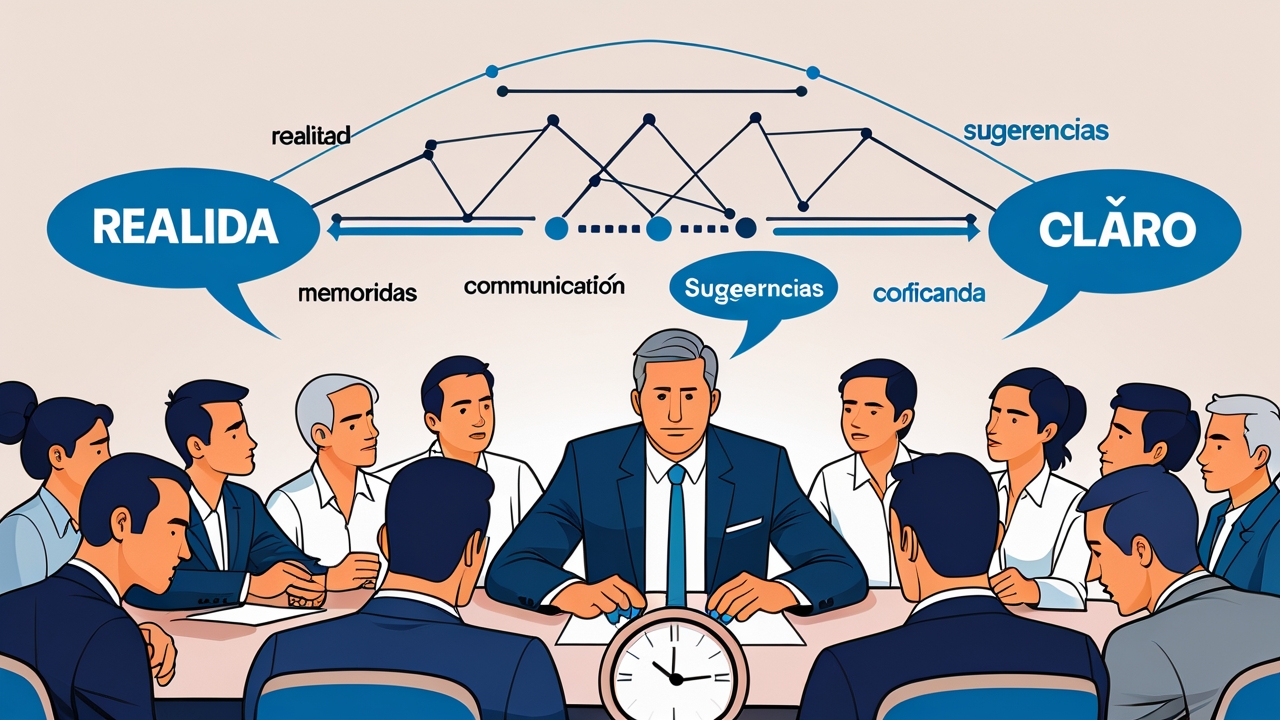
Can Memory Be Manipulated? Discover What Leaders Need to Know
Imagine being part of a group of people who remember having experienced an event that never actually happened. This phenomenon, known as the "Lost in the Mall" technique, may seem straight out of a science fiction novel, but it is very real. What does this mean for leaders in environments where memory and perception are crucial?
Nowadays, leaders face the challenge of managing not only their own memory-based decisions but also those of their teams. In a world where information is shared and distorted so quickly, understanding how memories work can transform the way you lead. Research on how we can create false memories through suggestions reveals the fragility of human memory, a challenge that every leader must face when forming judgments and influencing organizational culture.
As we delve deeper into this topic, let us reflect on Elizabeth Loftus's experiment and its impact on memory psychology. In one of her studies, approximately 25% of participants claimed to remember a fictional event of being lost in a mall. What is interesting is that this distortion occurs through repeated suggestions, highlighting how these small interventions can alter our perception of reality. This raises questions about the credibility of our decisions and the foundations of our strategies. As leaders, we must acknowledge that memory is not infallible and that sometimes we may also be influenced by manipulated or confused recollections.
The implications of this are profound. The way we communicate and build shared memories within a team is fundamental to creating cohesion and trust. If we are not aware of how memories can be shaped, we risk creating narratives that could alienate members of our organizations instead of bringing them closer together.
For those in leadership positions, it is vital to take a critical stance on the suggestions we make, both to ourselves and to our teams. Let us remember the words penned about how memories can be indoctrinated simply through suggestions: "suggested approaches can distort what people believe they have experienced." This thought should lie at the heart of our interactions. By being more mindful of the narratives we share, we can build an environment where communication is clear, and truth prevails.
So, how can you use this knowledge in your daily leadership? Here are three practical steps:
- Encourage openness: Create an environment where team members feel comfortable sharing their memories and experiences without fear of judgment.
- Practice effective feedback: Instead of simply accepting accounts, verify situations and foster a culture of clarity where versions of events are openly discussed.
- Train yourself in clear communication: Ensure that every message you share is clear and direct, avoiding ambiguity that could lead to future misunderstandings.
By applying these concepts to your leadership, you can ensure that what precedes your decisions and actions is grounded in reality rather than distorted memories. In an environment where truths are often shaped by perception, your role as a leader is to guide towards a culture of trust and truth.
This article is based on this: https://en.wikipedia.org/wiki/Lost_in_the_mall_technique
Please visit for more articles: www.tuyoisaza.com


Comentarios