Are We Ready to Take Responsibility for Artificial Intelligence?
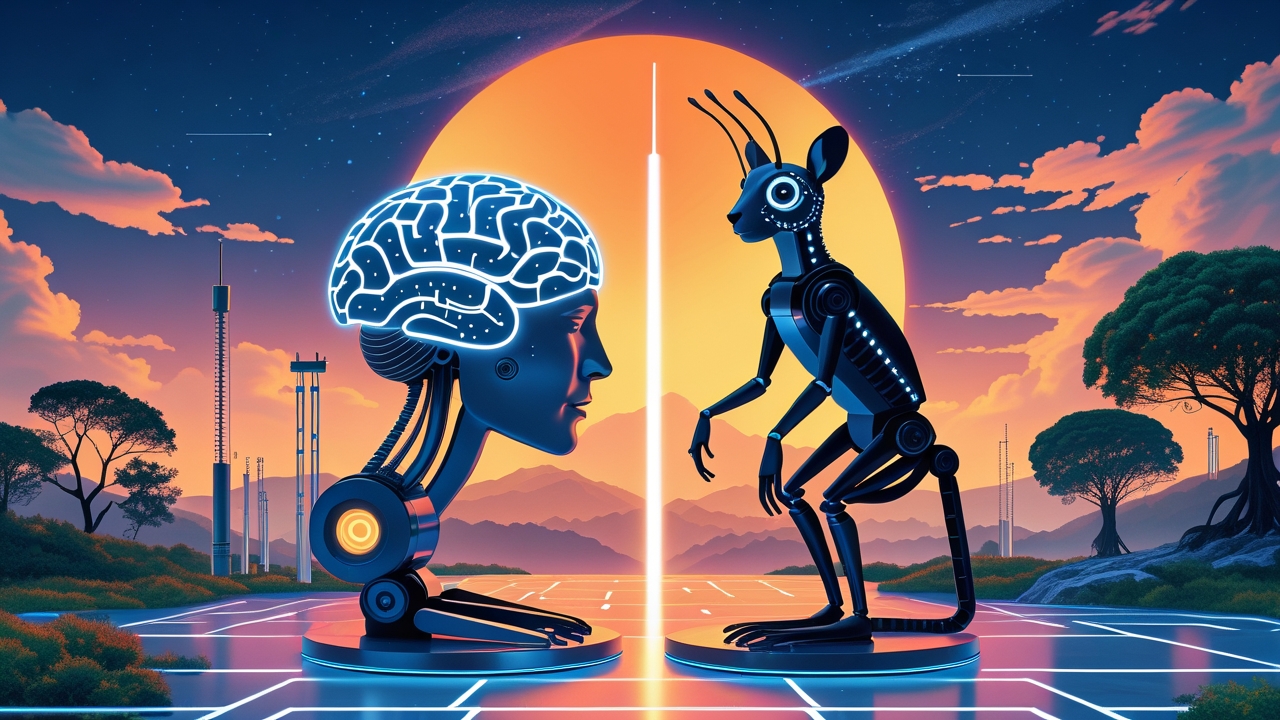
Are We Ready to Take Responsibility for Artificial Intelligence?
In an era where artificial intelligence is increasingly integrated into our lives and work decisions, a crucial question arises: who is responsible for the actions of these autonomous technologies? As AI systems take a leading role in decision-making, both in businesses and daily life, it is essential for leaders to reflect on the ethical implications and responsibilities that come with these tools.
The article 'Artificial Intelligence: The Importance of Taking Responsibility' reminds us that the autonomy of AI, if not managed properly, can lead to harmful consequences. Today's leaders must understand that true leadership is not just about innovation and adopting new technologies, but also about establishing an ethical framework that guides their use. This is a significant challenge, where technology and humanity must coexist harmoniously.
As we move toward a future marked by AI, leaders across all sectors must be aware of the need to take responsibility. A lack of proper oversight could have serious repercussions, and as such, it is imperative to achieve a proper balance between technological progress and social wellbeing. Every decision made by an AI can influence human lives; indeed, as the article mentions, it is essential that 'companies and developers take responsibility for the actions of their AI systems.' This call to action cannot be ignored.
Think about the number of decisions we make each day that are influenced by artificial intelligence: from algorithms that determine what we see on social media to analytics systems that affect business decisions. These tools can optimize processes and improve efficiency, but they also raise serious questions about the ethics of their decisions. When an AI makes incorrect or biased decisions, who do we attribute blame to? This is where clarity on responsibility becomes crucial.
The implications are vast. In terms of productivity, a malfunctioning system can cause substantial economic losses, or in the worst-case scenario, put human lives at risk. The ability of leaders to anticipate these problems and address potential failures is what separates good leaders from great ones. Managing AI is not just about implementing advanced technology but understanding its operation and the consequences of its use to make informed decisions.
This is a decisive moment for the business community. Leaders have the opportunity to establish a clear path where innovation and ethics are not opposing concepts, but allies. The key lies in embracing a thoughtful approach, where responsibility becomes an integral part of any AI-related strategy. Just as leaders must continuously educate themselves about the capabilities and limitations of these technologies, they must also be prepared to be accountable for the impact that these decisions can have on society.
The challenge that leaders face is monumental, but not insurmountable. When making informed decisions, one should always consider how these decisions will be viewed in a broader ethical context. True wisdom in leadership lies in being able to discern what should be done, not only on a technological level but also on the human level. The intersection of artificial intelligence and social responsibility is a fertile ground for leaders to explore, and with determination, they can cultivate a culture that prioritizes ethics in the development and use of these powerful tools.
To help leaders navigate this complex intersection, here are three steps they can implement immediately:
- Foster a culture of business ethics: Integrate ethical standards into every aspect of your company's decision-making, ensuring that all employees understand the importance of ethics in the use of AI.
- Encourage open dialogue: Create spaces where employees can express their concerns about the use of AI and its implications, promoting an environment of trust and collaboration.
- Develop clear responsibility frameworks: Establish policies that specify who is responsible for the actions of AI systems, ensuring there is a transparent process for addressing errors or malfunctions.
At the end of the day, being an effective leader in the world of artificial intelligence requires more than just technical skills; it involves a sincere commitment to the ethical future of our society. We are presented with an unprecedented opportunity to lead with purpose and vision. By steering our compass toward responsibility, we can ensure that artificial intelligence operates not just for the benefit of our businesses but of all humanity.
This article is based on this link: http://encuestas.uaca.ac.cr/index.php/actas/article/view/1364/1756
Please visit for more articles: www.tuyoisaza.com


Comentarios